

HUB Team Haugen + Cascade Health
One integrated relationship across property, casualty, and employee benefits, built around the way Cascade Health already works.
SEE THE FULL PROGRAM
One integrated relationship across property, casualty, and employee benefits, built around the way Cascade Health already works.
SEE THE FULL PROGRAMThis is a cold introduction, so it should earn its way in. Here is what we brought to it.
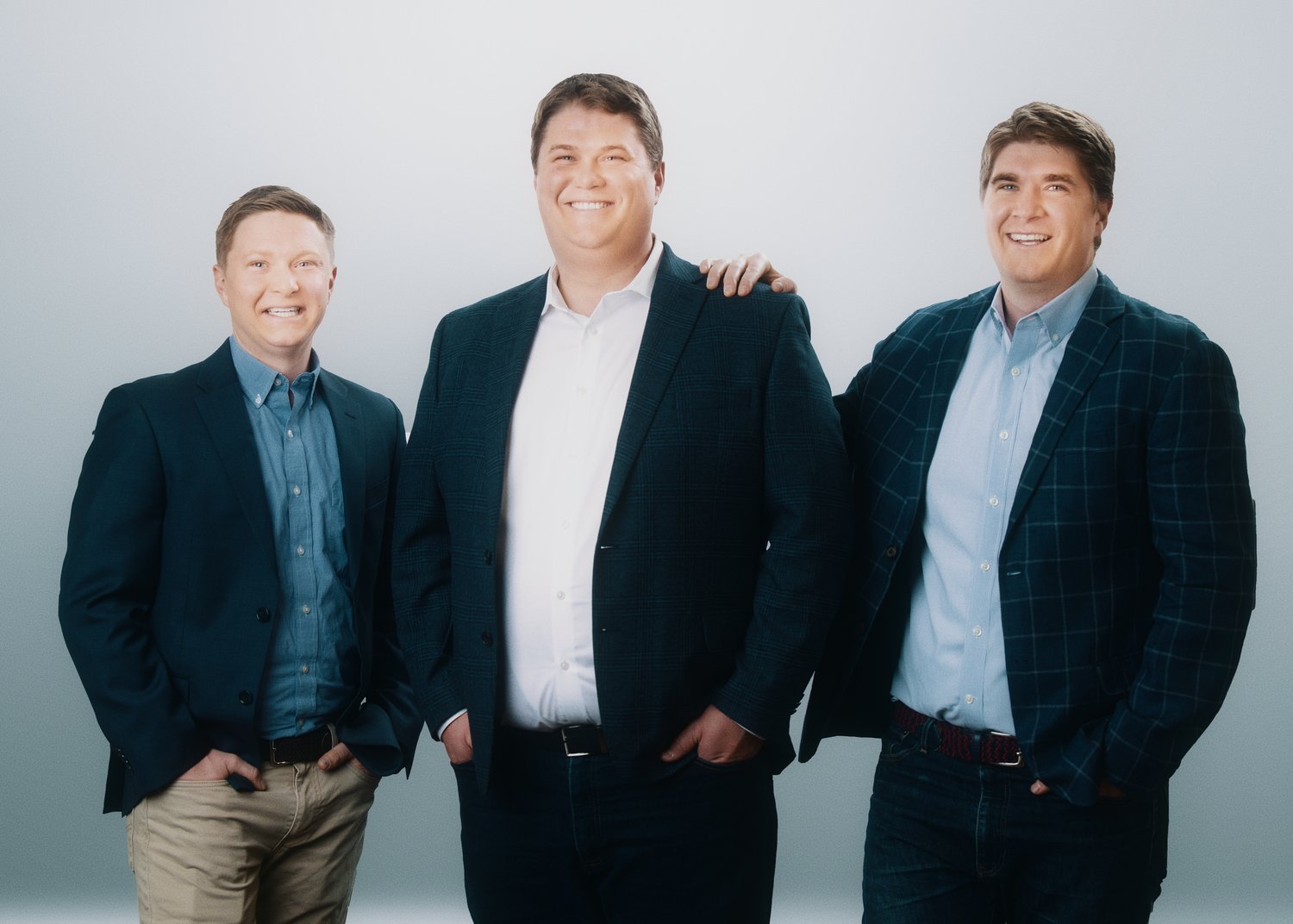
Cascade Health delivers integrated care across service lines under one nonprofit roof. We are proposing the same structure on the insurance side. Property and casualty and employee benefits working from one account plan, not two brokers who never speak to each other.
Your clinics, your hospice teams, and your occupational health services work Eugene, Springfield, and the rest of Lane County. Team Haugen sits in Eugene, inside HUB International Northwest. Local accountability with national carrier access behind it.
We did not open with a healthcare template. We opened with your service lines and where the risk actually sits in each one. If the exposure map on this page reads right to you, that is the point of it.
Behind the four people who would own this account sit dedicated Team Haugen units for workers' compensation, claims and risk consulting, employee benefits, and account management. You would not be routed to a call center when something goes wrong. We are pitching integrated property and casualty plus employee benefits service the same way Cascade Health delivers integrated care across service lines. One relationship, several specialties.
Seven or more service lines under one nonprofit roof, running from an inpatient hospice house to a mobile testing unit that drives to job sites. Each one carries a different exposure. Here is where we already know your risk lives.
Home-based hospice and palliative teams travel throughout Lane County. The mobile testing unit goes out to job sites. Occupational health runs on-site at employer locations. Your care model puts clinicians and vehicles in motion every day, and that shapes the whole casualty program.
Nurses, therapists, counselors, and medical directors work across seven or more service lines. Hospice, occupational health, behavioral health, physical and hand therapy, and chronic disease education do not share a professional liability profile, and they should not share one policy stretched to cover all of them.
HIPAA-protected records run across hospice, therapy, and especially behavioral health and EAP counseling. That is some of the most sensitive data a healthcare cyber policy has to cover. On this account, cyber and privacy is a front-burner topic, not a checkbox at the end of the renewal. The people delivering that care are the same people your benefits program protects, which is why we treat the two as one conversation.
Cascade Health runs Employee Assistance Programs, wellness services, and occupational health for more than 3,000 other businesses. Our employee benefits practice brings that same thoughtfulness back to your own staff.
You help other employers take care of their people. Every day, across DOT and FAA physicals, injury care, on-site clinics, EAP counseling, and supervisor training. So the benefits conversation opens itself. Let's talk about how we help you take care of yours.
A multi-site clinical workforce of nurses, therapists, counselors, medical directors, and support staff spans a wide range of licensure, schedules, and full-time and part-time status. That typically means a more complex benefits design than a single-site employer needs.
As a donation- and grant-supported 501(c)(3), budget discipline matters. The work is a benefits strategy that controls cost trend without sacrificing the Best Nonprofit to Work For reputation you have already built.
The 100 Best Nonprofits to Work For and 100 Best Green Workplaces recognitions show real institutional investment in employee experience. That deserves a benefits strategy built around it, not a renewal quote dropped on the desk once a year.
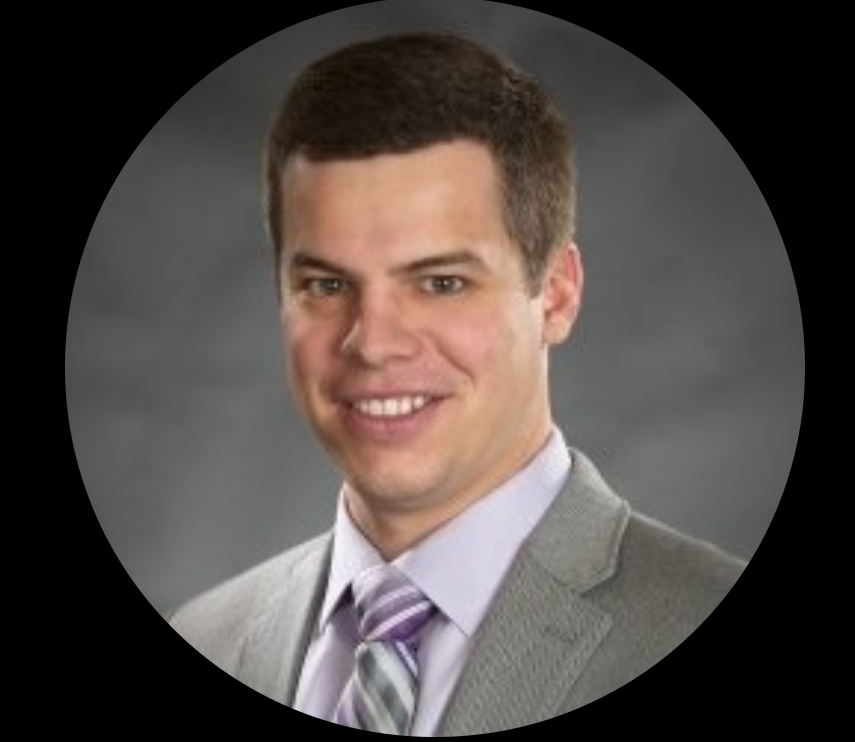
Vice President, Employee Benefits
Michael leads the employee benefits side of the Team Haugen account structure. On a Cascade Health engagement, benefits and property and casualty are not two separate relationships that happen to share a logo. They work the same account plan, on the same calendar, with the same people in the room.
That matters more here than it does on most accounts, because the benefits conversation and the workers' compensation conversation touch the same clinical workforce.
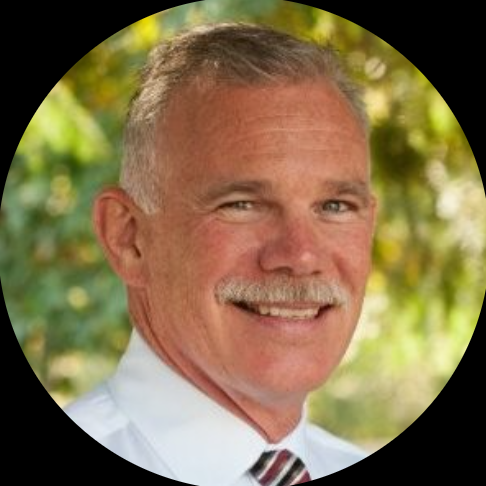
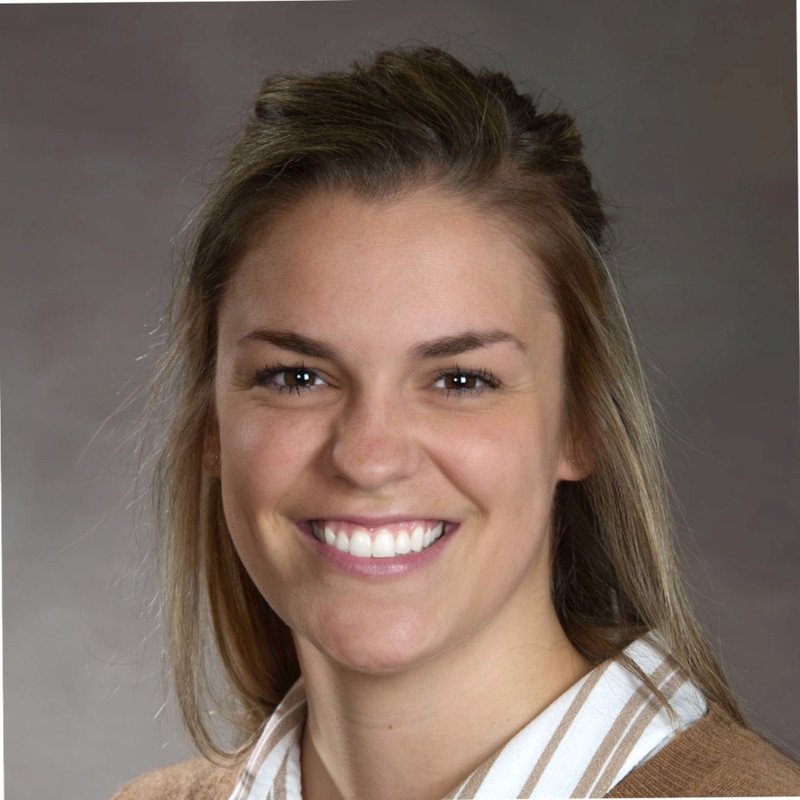
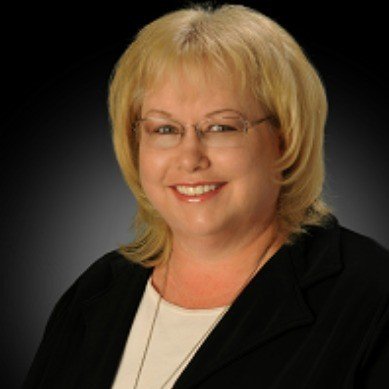
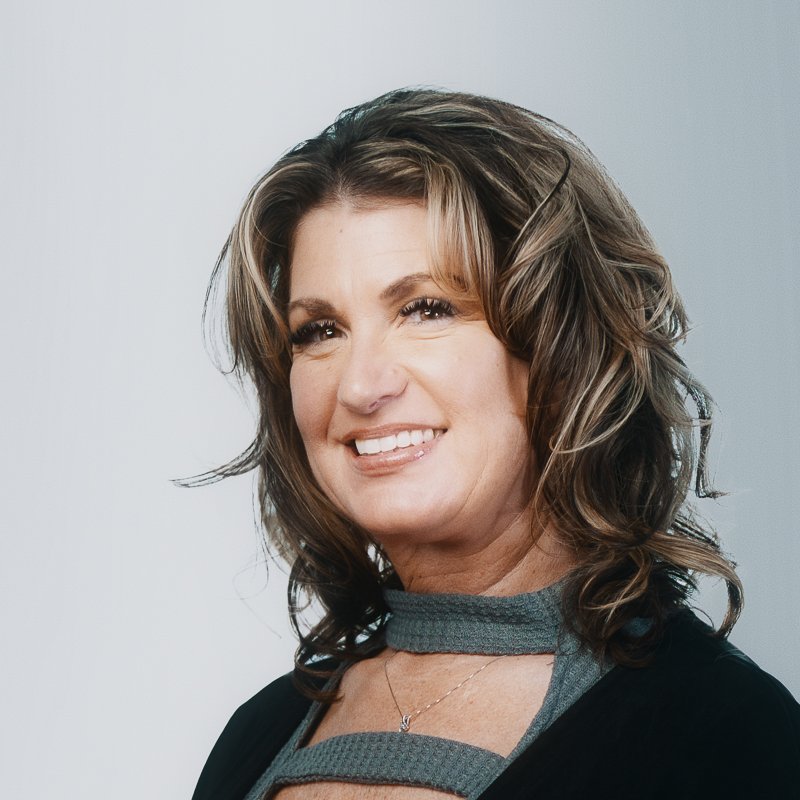
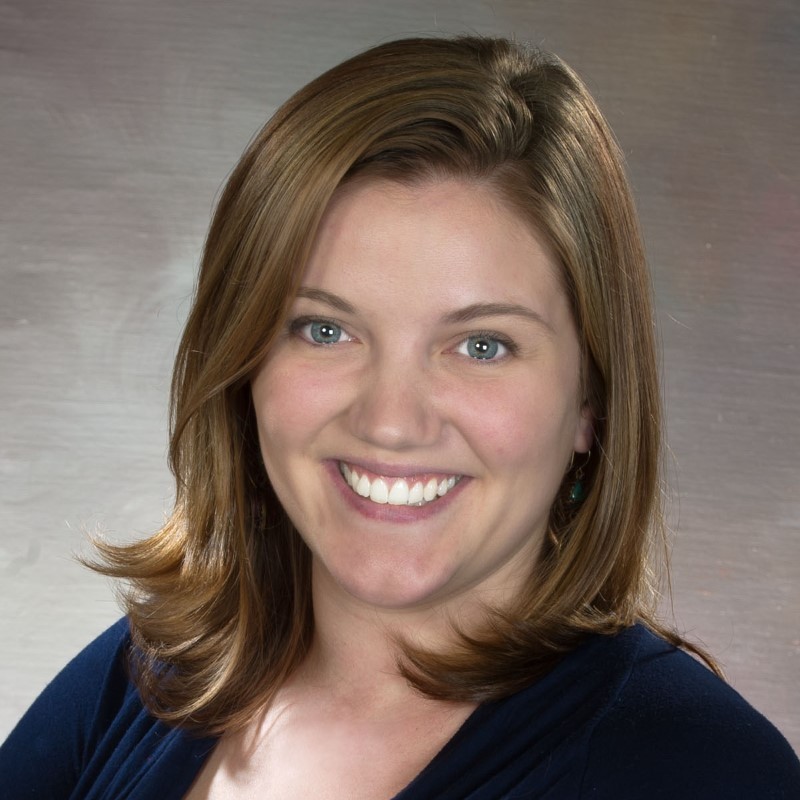
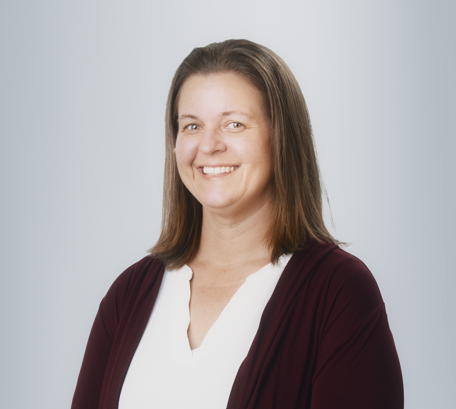
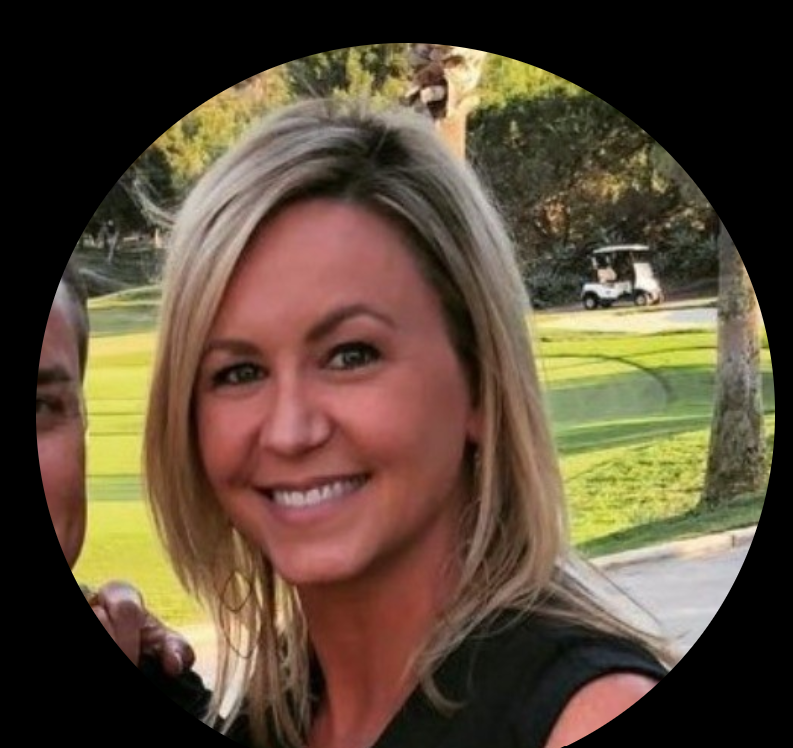
Five people would own the Cascade Health relationship, working out of Eugene. Behind them sit the Team Haugen units for workers' compensation, claims and risk consulting, employee benefits, and account management.

SVP, Commercial Lines / Team Haugen Lead
Leads a family-run commercial team with deep Eugene-area roots.
Vice President, Employee Benefits
Runs the benefits side of the account on the same plan as the property and casualty team.

Associate Advisor, Commercial Lines
Building this relationship from the ground up with a custom, researched approach rather than a cold pitch.

Associate Advisor, Commercial Lines
Building this relationship from the ground up with a custom, researched approach rather than a cold pitch.
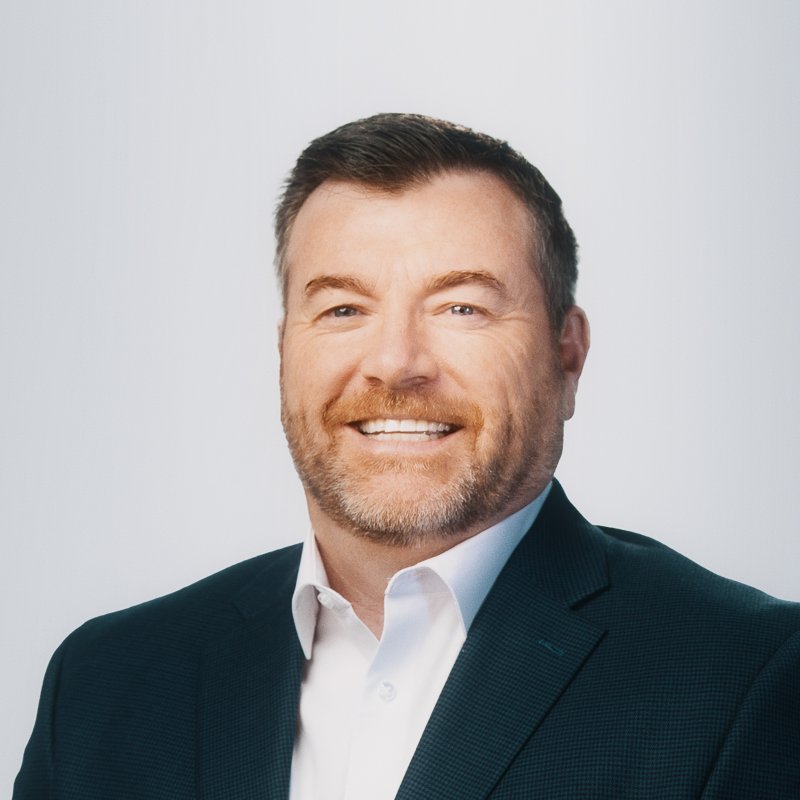
Client Service Advisor | Risk Consultant Expert
Brings legal insight useful for nonprofit governance, D&O, and employment practices conversations.
Team Lead
Logan Haugen
SVP, Commercial Lines / Team Haugen Lead













Hospice at home, testing at job sites, occupational health on employer premises. A distributed, driving workforce is a core auto liability and physical damage exposure, and on this account it is the first thing we would want to see.

The mobile testing unit travels out to job sites rather than waiting for employees to come to a clinic. A purpose-equipped vehicle carrying testing equipment raises both an auto liability question and a physical damage question, and the equipment inside it is a separate conversation from the vehicle around it.
Home-based hospice and palliative teams travel throughout Lane County to reach patients where they live. Whether those miles run on owned vehicles or on personal ones changes how the auto program has to be built, and it is worth confirming rather than assuming.
On-site employer clinics and occupational health services put your staff and your equipment on other companies' premises. That extends the driving footprint and it puts a second party's property into the picture at the same time.
Clinical staff face patient-handling injuries, driving exposure, and behavioral health and on-site risk. Most of that is familiar territory for you, which is exactly why this conversation starts further down the field than it usually does.

Clinical staff face patient-handling injuries. In hospice, in inpatient care at the hospice house, and in physical and hand therapy, that is the exposure that shows up most often and the one that most directly moves your experience.
Beyond the clinic walls, the same workforce carries driving exposure and behavioral health and on-site risk. A workers' compensation program that only looks at the clinic is only looking at part of the workforce.
Cascade Health runs occupational health and injury care programs for other employers. You know what a good return-to-work process looks like because you sell one. We would rather build on that than explain it.
Nurses, therapists, counselors, and medical directors work across seven or more service lines. That is broad professional liability exposure, and it needs to track each specialty rather than sit under one policy stretched across all of them.
Hospice and palliative care, occupational health, behavioral health counseling, physical and hand therapy, diabetes and nutrition education, and travel health all sit inside the same organization. Each carries its own standard of care and its own claim profile.
Orthopedic, hand, osteopathic, pelvic, and cancer-recovery therapy do not present the same way as behavioral health counseling, and neither presents the way end-of-life care does. The right structure follows the specialties instead of averaging them.
The Pete Moore Hospice House is the only dedicated hospice house in Lane County, providing hospital-level inpatient end-of-life care. Inpatient care is a different professional liability posture than outpatient therapy, and it should be underwritten as one.
HIPAA-protected records across hospice, therapy, and especially behavioral health and EAP counseling. Some of the most sensitive data a healthcare cyber policy has to cover sits inside your service lines, which is why this is a front-burner topic and not a footnote.
Protected health information runs through hospice, physical and hand therapy, occupational health, and counseling. There is no service line where a privacy event would be contained to one department.
Behavioral health counseling and Employee Assistance Program records are among the most sensitive categories a healthcare cyber policy has to cover. Notification obligations and reputational consequences both run higher here than they do for a routine records exposure.
Diabetes and nutrition education and travel medicine add chronic disease records to the same privacy footprint. Smaller service lines still widen the surface area, and they are the ones most often left out of a cyber application.
Four more places where a multi-site nonprofit healthcare organization carries exposure worth reviewing. None of these are the headline, and none of them should be an afterthought either.

We built this page for Cascade Health specifically, from your service lines and where the risk sits inside each one. If it reads right, the next step is a conversation.
SCHEDULE A CALL